
"defect rate"
2000 article(s) found

Premium Coffee beans-SCAA Fine Bean grading system
The new premium bean grading system of the American Fine Coffee Association (SCAA) has been adopted by the American Coffee quality Association (CQI) in recent years. Raw bean standard: 350 grams of raw beans should be sampled with a water content of 10% 12%. Raw beans must not have an indecent smell. The number of raw bean size must be equal, and the size difference rate shall not exceed 5% of the size stated in the contract. The number of defective beans can be divided into first-class defects.
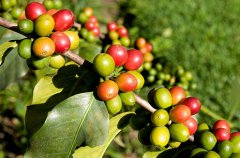
The relationship between the Flavor of Coffee and its growth altitude
We should all understand that raw coffee beans are generally graded according to their size, defect rate and altitude. The size and defect rate of raw beans are easy to understand, and many people do not quite understand why some producing areas use the altitude of coffee beans as the basis for grading. Many coffee sellers also boast that their coffee is high-altitude coffee and sell it at a high price. This is also the most encountered when telling students about grading.

Coffee bean sack ingenious use of raw bean information detailed explanation of Manning coffee bean sack transformation into an one-shoulder bag
After drinking so much freshly roasted coffee, you must have received a lot of well-sealed coffee bean bags. But have you ever seen a sack with raw coffee beans? Don't underestimate these jute bags, they are by far the oldest coffee packaging material. According to the Food and Agriculture Organization of the United Nations, these sacks are 100% biodegradable, recyclable and very environmentally friendly. he

Why are the coffee beans of Yega Xuefei and Sidamo uneven in size, which means that there are many defective beans?
[preface] some time ago, some fans told us that Ethiopian beans are large and small, very uneven, and the defect rate is high. I think maybe we should figure out why the shape of Ethiopian beans is uneven and what is called defective beans. Why are Ethiopian coffee beans always big and small? The coffee beans in Ethiopia seem to be of different sizes

How to classify defective coffee beans? Colombian coffee classification system standard is not general.
Professional coffee knowledge exchange more coffee bean information please follow the coffee workshop (Wechat official account cafe_style) Front Street-Columbia grading system Columbia raw beans are generally classified using two classification methods, defect classification and mesh size classification. In the view of a certain fish, according to the classification of defects, the coffee flavor is controlled, and the beans with bad flavor are picked out one by one.

What exactly does the name of coffee mean?
1. What is the amount of information contained in the name of the raw coffee bean? 2. Why is it that sometimes the manor comes first in the name of the coffee bean, and sometimes the description of the treatment and grade is interspersed with it? what is the naming rule? Is there a uniform standard? 3. How to see the grade from the name of the raw coffee bean? This article will provide an in-depth answer to how to treat the naming of coffee beans, and

Yega Fischer, Ethiopia
Yega Xuefei's grading system is not based on the number of eyes, but on the proportion of defective beans in the total number of raw beans. Commonly seen are wash G2 and sun G3 Yega Chuefei, G1 is the highest grade, Yega Xuefei, which has the lowest defect rate and the best quality, can be rated as Grade 1 only after hand selection. A system is scattered in the northern part of the Great Rift Valley of East Africa.

What are the categories of Robusta coffee beans
Following Cafe (official account vdailycom of Wechat) found that Beautiful Cafe opened a small shop of its own. In fact, Robusta also falls into many categories and can't generalize or pursue price blindly. Among the big coffee countries, Robusta is a major producer of Vietnam, Brazil, Indonesia, India and so on. Like Arabica, Robusta in each country has a corresponding hierarchy.

The relationship between the growth altitude of Coffee planting and the Flavor of Coffee
Professional coffee knowledge exchange more coffee bean information please follow the coffee workshop (Wechat official account cafe_style) A coffee tree bears fruit several times a year. Raw beans are generally graded according to their size, defect rate, and altitude. The size and defect rate of raw beans are easy to understand, and many people do not quite understand why some producing areas are graded according to the altitude at which coffee beans grow.

Characteristics of Sidamo Coffee grading system what are the grades of Ethiopian coffee beans G1 and G2
Question1: why are Ethiopian coffee beans always big and small? If you are very fond of African beans, it should be easy to find that Ethiopian beans are generally of different sizes and have significantly lower evenness than those in Kenya. Sometimes roasting appearance can be found in the observation of the same batch of coffee beans, no matter whether it is Yega Xuefei or Sidamo, whether it is washed or insolated.

Roasting defects Fast baking freshly baked coffee beans coffee quality coffee raw beans
When we talk about boutique coffee, every step presented in the coffee supply chain is critical to the final coffee product presented to us. So a very important step in the supply chain of coffee from seed to cup is roasting. When it comes to specialty coffee, every step in the supply chain becomes extremel

Read through the amount of information in the name of raw coffee beans
When we come into contact with coffee beans, we often see descriptions such as: Manning G1, GAYO Mountains, Aceh District, Sumatra, Indonesia. Do you often have the following questions: 1. What is the amount of information contained in the names of raw coffee beans? 2. Why sometimes the manor comes first in the name of coffee beans, and sometimes the description of treatment and grade is interspersed with its

The relationship between the growth altitude of coffee and the flavor of coffee
Professional coffee knowledge exchange more coffee bean information Please pay attention to the relationship between coffee growth altitude and coffee flavor in coffee workshop (Wechat official account cafe_style) Coffee raw beans are generally graded according to raw bean size, defect rate and altitude. The size and defect rate of raw beans are easy to understand, and many people do not quite understand why some producing areas should be graded according to the altitude at which coffee beans grow.
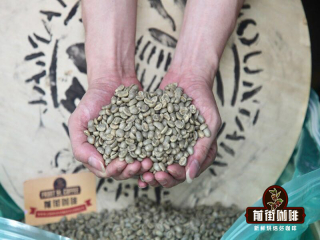
Premium Blue Mountain Coffee Bean Brand recommends excellent Top Blue Mountain No.1 Coffee Bean Price Flavor and taste
Blue Mountain Coffee, the world's top blue mountain coffee beans, refers to coffee made from coffee beans from the Blue Mountains of Jamaica. Blue Mountain Coffee is the best coffee in the world. The top Blue Mountain coffee beans, known as golden beans, are only found in the Blue Mountains of western Jamaica, more than 1800 meters above sea level. Blue Mountains

The higher the coffee tree is, the harder the coffee beans will be. What's their flavor?
Professional coffee knowledge exchange more coffee bean information Please pay attention to the coffee workshop (Wechat official account cafe_style) Coffee raw beans are generally graded according to raw bean size, defect rate and altitude. The size and defect rate of raw beans are easy to understand, but many people don't quite understand. Why do some producing areas use the altitude of coffee beans as the basis for grading? many coffee sellers also boast of their own.
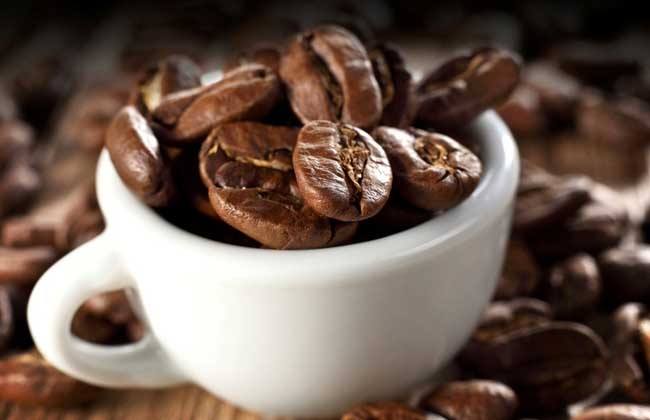
Brazilian coffee bean producing area, Brazilian coffee bean grade
Following Cafe Review (official Wechat account vdailycom) found that Brazilian Coffee, which opened a small shop in Fairview Cafe, had a low sour taste, matched with the sweet and bitter taste of coffee, and had a slight grassy aroma, with a slightly bitter taste in the fragrance, smooth taste and pleasant aftertaste. There are no outstanding advantages for Brazilian coffee.

Coffee training-what is hand-picked beans
Hand selection: is the step of removing impurities and bad beans attached to delicious coffee beans. Coffee beans are often mixed with foreign bodies, such as stones, sawdust, pieces of metal, grains of soil, fruit of trees, and sometimes coins and glass.
What grade of coffee is there? a brief introduction to the classification system of coffee in various countries.
Professional coffee knowledge exchange more coffee bean information please follow the coffee workshop (Wechat official account cafe_style) front street-coffee bean classification system overview of classification standards one is the defect rate. The reviewer will randomly take 300 grams of raw beans from the raw beans that need to be graded and sort them manually to pick out impurities such as impurities such as unripe beans, moldy beans, damaged beans, worm-eaten beans and pebbles.
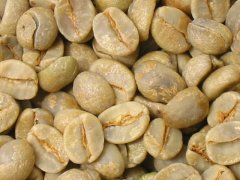
What kind of beans are called hand-picked beans?
What is hand-picked beans? Hand selection: is the step of removing impurities and bad beans attached to delicious coffee beans. Coffee beans are often mixed with foreign bodies, such as stones, sawdust, pieces of metal, grains of soil, fruit of trees, and sometimes coins and glass.

Kenyan coffee grading method-points classification of defective beans-high classification of origin
◎ in order to produce a high degree of classification, generally speaking, due to the cold climate, slow growth rate of coffee, higher density of raw beans, harder texture, more mellow aroma of coffee, and supple sour taste; on the contrary, the density of raw beans is smaller, the texture is less hard, the quality of coffee is worse, so some people classify by hardness. This grading method can be divided into the following categories